
The Future of Search: A Comprehensive Guide to Language Model Optimization (LMO)
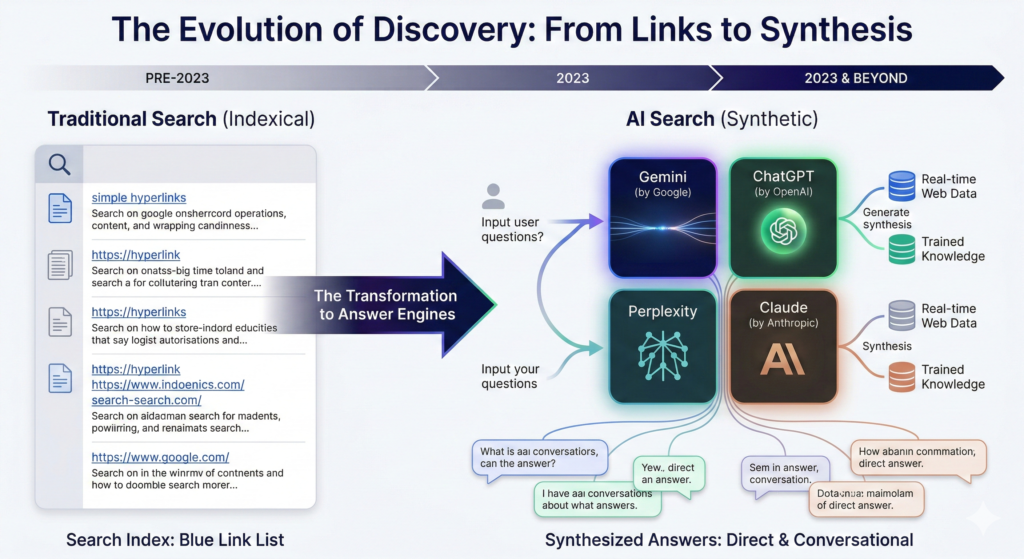
The way we find information is undergoing its most radical transformation since the invention of the search engine itself. With Gartner predicting a 25% decline in traditional search volume by 2026, the era of simply ranking for keywords is ending. We are entering the age of AI-powered discovery, where platforms like Gemini, ChatGPT, and Perplexity don’t just provide a list of links—they synthesize answers.+3
To stay visible, brands must pivot from traditional SEO to Language Model Optimization (LMO)—also known as Generative Engine Optimization (GEO) or Answer Engine Optimization (AEO). This guide breaks down the five essential strategies to ensure your brand remains the “chosen answer” in an AI-driven world.+2
1. Conduct a Brand Audit for AI Visibility
Before you can optimize, you must understand how AI models currently perceive your brand. Unlike Google’s static SERPs, AI responses are dynamic and unpredictable.+1
How to Analyze Your AI Presence:
- Assess Visibility: Determine how frequently and prominently your brand appears in AI-generated responses.
- Evaluate Sentiment: Analyze the tone and context of mentions. Is the AI portraying your brand as an industry leader or a budget option?
- Benchmark Against Competitors: Identify which competitors are stealing “share of voice” in AI summaries.
- Monitor Trends: AI search behavior evolves rapidly; regular check-ins are required to adapt to algorithmic shifts.
2. Shift from Keywords to User Intent
AI search engines utilize Semantic Search and Context Awareness. They analyze the meaning behind a query rather than just matching strings of text.+2
Optimization Tactics for Intent:
- Answer Directly: Create content that provides immediate, concise value to the user.
- Use Natural Language: Incorporate long-tail keywords and conversational phrases that mirror how people actually talk to AI assistants.
- Build Interconnected Content: AI models understand the relationships between topics. Developing comprehensive resource pages that address multiple related queries can improve your visibility across a “web” of related searches.
- Structure for Parsing: Use FAQs, bullet points, and clear headers to help LLMs easily retrieve and summarize your data.
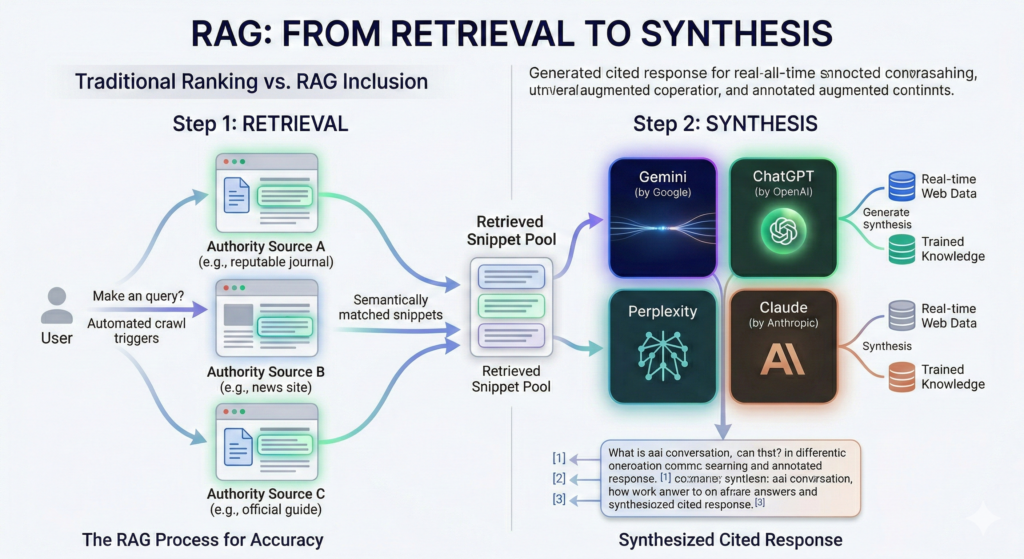
3. Leverage High-Authority, Data-Driven Sources
AI models are programmed to prioritize Authoritative and Well-Cited Content. If you want to be referenced, you must prove your expertise through data.+1
Strengthening Your Authority:
- Include Citations and Statistics: Research shows that content featuring quotes and data-driven insights is 30-40% more visible in AI search results.
- Maintain Factual Accuracy: Factual errors are a quick way to be “blacklisted” by AI models that prioritize safety and accuracy.+1
- Refresh Regularly: Outdated content is less likely to be surfaced. Regularly update your existing assets with new insights and data to maintain relevance.
4. Master the “Key Players” Landscape
Not all AI search engines are created equal. To maximize reach, you need a tailored approach for each major model.
| AI Model | Key Focus for Marketers |
| ChatGPT (OpenAI) | Focus on up-to-date, easily digestible content to overcome knowledge cut-offs. |
| Perplexity | Prioritizes cited sources and user discussions. Visibility here requires being mentioned in high-authority journals and forums. |
| Gemini (Google) | Influences “AI Overviews.” Align your content with factual, structured information that mirrors Google’s quality standards. |
| Claude (Anthropic) | Emphasizes safe, ethical, and educational content. Well-structured, responsible information performs best here. |
5. Build a Multi-Channel Online Presence
AI models don’t just crawl your website; they aggregate data from across the web, including forums, reviews, and news outlets.
Strategies for “Off-Page” LMO:
- The Power of Reddit: Both OpenAI and Google have deep partnerships or API integrations with Reddit. Participating in industry discussions there increases the chance of your brand being cited as a community-vetted authority.+2
- Review Management: Perplexity’s integration with Yelp means your brand’s reputation on review sites directly impacts your AI search visibility.
- PR and Media Licensing: AI models train on licensed content from major publishers like The Atlantic, News Corp, and Reuters. Securing coverage in these authoritative outlets is now a primary driver for AI visibility.+1
- Diversify Formats: Some engines, like Gemini, are multimodal, meaning they integrate text, images, and video. Creating unique imagery and YouTube content is essential for a comprehensive presence.+1
Practical Checklist: What to Do Today
To begin your transition to an AI-first search strategy, follow these immediate steps:
- [ ] Assess: Use tools like HubSpot’s AI Search Grader to see where you stand.
- [ ] Audit: Update website pages with structured formatting and high-quality citations.
- [ ] Participate: Engage in Reddit or industry forums to influence AI training data.
- [ ] Markup: Implement schema markup and structured metadata to help AI models interpret your site.
Conclusion: Balancing SEO and LMO
The future of digital marketing is not a choice between SEO and LMO—it is the integration of both. While traditional search is still relevant for many users, the brands that adapt early to Language Model Optimization will be the ones that define the next decade of discovery.+1
By remaining agile and focusing on authoritative, user-centered content, you can turn the “threat” of AI search into your brand’s greatest competitive advantage.
Would you like me to create a detailed social media distribution plan for this blog post to help boost its visibility for AI crawlers?